
 Search


Blue Limassol
Forum
Advancing sustainable coastal development through dialogue, research and collaboration
In collaboration with Limassol Municipality, the Department organizes the annual Blue Limassol Forum (BLF), a well-established platform for dialogue on coastal sustainability, blue growth and integrated coastal governance.The Forum brings together policymakers, government authorities, industry leaders, researchers, environmental organisations and local communities to exchange knowledge, discuss emerging challenges and promote collaborative solutions for the sustainable development of coastal cities. Through keynote presentations, panel discussions and stakeholder engagement, the Forum encourages evidence-based policymaking and strengthens cooperation between academia, industry and public authorities.
Beyond facilitating dialogue, the Forum has contributed to tangible outcomes. Research conducted by the Department has informed national initiatives on marine environmental monitoring and coastal governance, while supporting major sustainability projects, including the decarbonisation of the Port of Limassol through the implementation of Onshore Power Supply (Cold Ironing) technologies. The Forum continues to serve as a catalyst for translating research into policy and practice, reinforcing Limassol's position as a model for sustainable coastal development in the Eastern Mediterranean.
The Blue Limassol Forum (BLF) 2026 took place on Friday, 15 May, at Frederick University, Limassol, with strong participation from representatives of the maritime sector, the research and academic community, and representatives of decision-making bodies.
The Blue Limassol Forum is co-organized annually by the Municipality of Limassol and the Department of Maritime Transport and Commerce as a platform for dialogue on the sustainability of coastal cities.
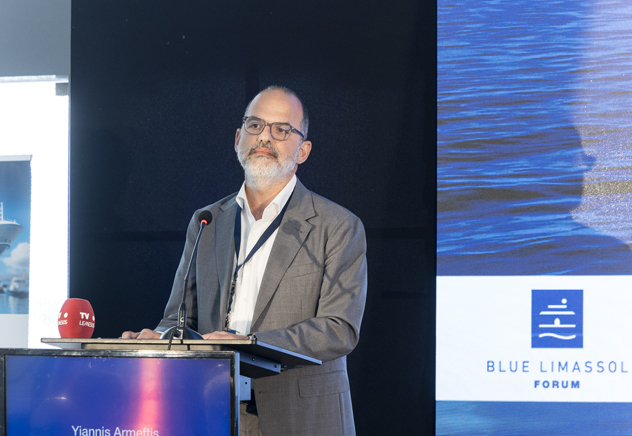
This year’s event provided the citizens of Limassol with the opportunity to learn about the city’s strategic planning and ongoing initiatives related to sustainable urban development. In this context, the Mayor of Limassol, Yiannis Armeftis, announced that an international architectural competition for the design and redevelopment of Aktaia Odos will be launched in the near future.
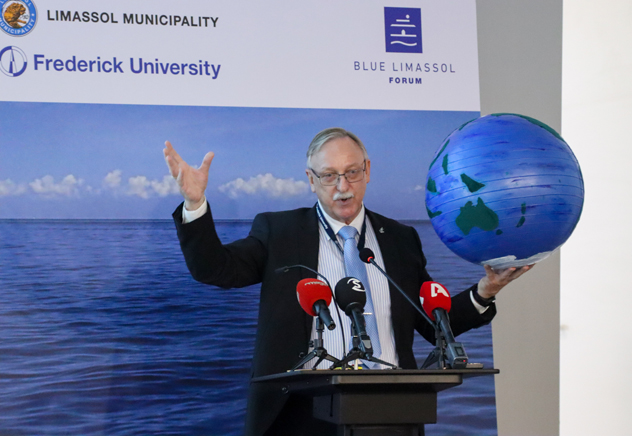
The Mayor of Limassol and the Vice Rector of Frederick University, Michalis Komodromos, welcomed participants and highlighted the contribution of the Blue Limassol Forum to achieving optimal coastal management. In his address, the Mayor underlined that the greatest challenge lies not in making commitments, but in implementing them effectively, inclusively, and sustainably through integrated coastal governance, coordinated action across sectors, institutional collaboration, and the meaningful participation of local communities. The Vice Rector emphasized that the Blue Limassol Forum is a flagship initiative of the University, which places strong emphasis on research related to sustainable coastal management.
The opening keynote address was delivered by Marina Hadjimanolis, who noted that Limassol, as one of the leading maritime centres in the Eastern Mediterranean, can serve as a model for integrated coastal governance and sustainable blue growth. She also referred to the establishment of a dedicated Committee for the Protection of the Sea from Pollution, involving all relevant stakeholders, with the aim of addressing environmental challenges affecting Limassol’s coastal and marine areas more effectively. She stressed that the establishment of the Committee was informed, among other factors, by the findings of the comprehensive coastal risk assessment conducted by Frederick University, and warmly thanked Angelos Menelaou “for his continuous advisory support and active contribution to promoting sustainable coastal governance and the protection of the marine environment from pollution.”
Presentations followed, during which the Mayor of Limassol presented the Municipality’s vision for Aktaia Odos.
Theodoulos Mesimeris presented the Ministry’s actions for the protection of Limassol’s coastline and analysed the integrated governance framework currently being developed for the sustainable management of coastal and marine areas.
Eugen-Henning Adami, President of the Cyprus Foundation of the Sea (CyFOS), highlighted the importance of coordinated action among all stakeholders involved in coastal management and presented the role of CyFOS in strengthening Cyprus’ blue economy, in alignment with European strategies for sustainable development and innovation.
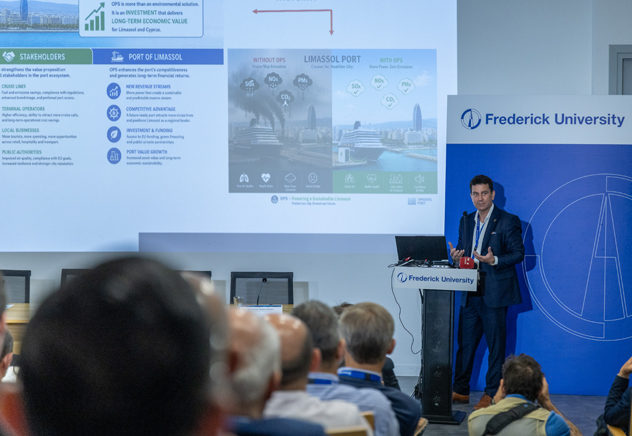
Dr Emmanouil Nikolaidis, Assistant Professor at the Department of Maritime Transport and Commerce, presented the progress of the Decarbonlim project, implemented by the Cyprus Ports Authority in collaboration with Frederick University, the Municipality of Limassol, the Electricity Authority of Cyprus (EAC), DP World and EUROGATE, as well as specialized international partners. DBA S.p.A. developed the technical and design studies for the OPS infrastructure, while DNV contributed to the safety and risk assessment studies. Eric Van Hooydonk provided specialized legal and regulatory support. The technology of supplying electricity to ships from shore, known as Cold Ironing or Onshore Power Supply (OPS), is considered one of the most advanced solutions for reducing emissions in the maritime industry and is expected to significantly reduce air pollution in the city of Limassol. The Port of Limassol is expected to become the first port in Cyprus capable of implementing this technology, pending approval of the relevant application. In his intervention, the Mayor of Limassol called on the government to accelerate the necessary procedures in order to enable the faster implementation of the technology at the city’s port.
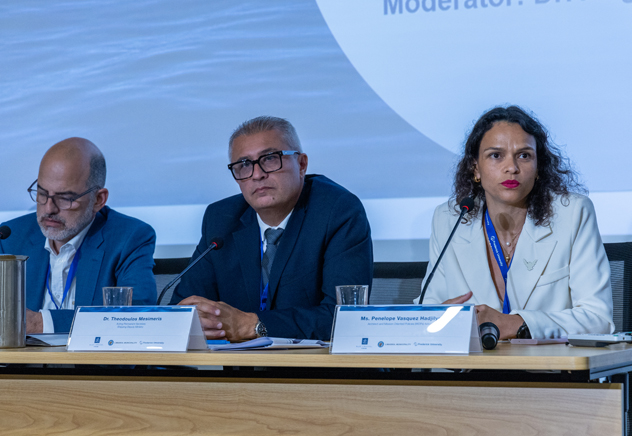
The event concluded with an open discussion moderated by Angelos Menelaou, featuring, in addition to the aforementioned speakers, Yiannis Tsouloftas, President of EOA Limassol, and Penelope Vasquez Hadjilyra. Mr Tsouloftas referred to the intensive ongoing efforts to manage Limassol’s rapid growth, which are expected to contribute substantially to the city’s improvement and sustainable development. Ms Vasquez Chatzilyra emphasized the need to transform planning into meaningful action.
As coastal cities face increasing pressures from climate change, maritime activity, and pollution, the discussion highlighted the urgent need for integrated and collaborative governance models capable of balancing development with environmental protection and the wellbeing of Limassol’s citizens.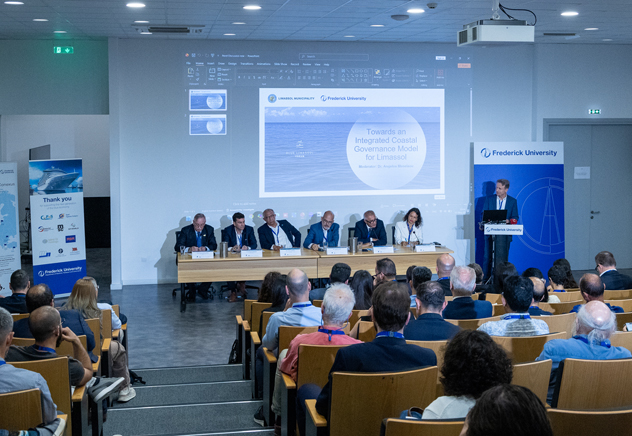
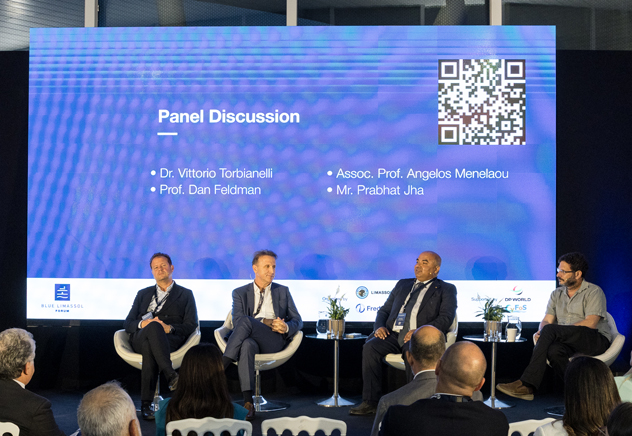
The 5th Blue Limassol Forum took place on 15 May 2025, drawing strong participation from citizens, academics, researchers, and professionals active in shipping and sustainable coastal development.
Co-organized annually by the Municipality of Limassol and Frederick University, this year’s forum was held at DP World Limassol, within the new Limassol Port.
EU Commissioner for Fisheries and Oceans, Mr. Costas Kadis, delivered the keynote address, while the event was expertly moderated by Captain Eugen Adami, President of the Cyprus Foundation of the Sea (CyFoS).
The 5th Blue Limassol Forum focused on the ongoing transformation of Limassol’s coastal zone and the promotion of integrated practices for sustainable urban development. It brought together distinguished speakers from Cyprus and abroad who shared their insights on pressing issues such as sustainable development, green energy, and marine pollution monitoring through artificial intelligence technologies.
In his keynote address, EU Commissioner for Fisheries and Oceans emphasized the forum’s role as a vital platform for addressing all matters impacting Limassol’s marine and maritime ecosystem. Mr Kadis highlighted the upcoming European Ocean Pact, the EU’s forthcoming regulatory framework for ocean governance, aimed at harmonizing existing European policies to advance the blue economy. Key priorities of the Pact include strengthening the resilience and sustainability of coastal communities across Europe.
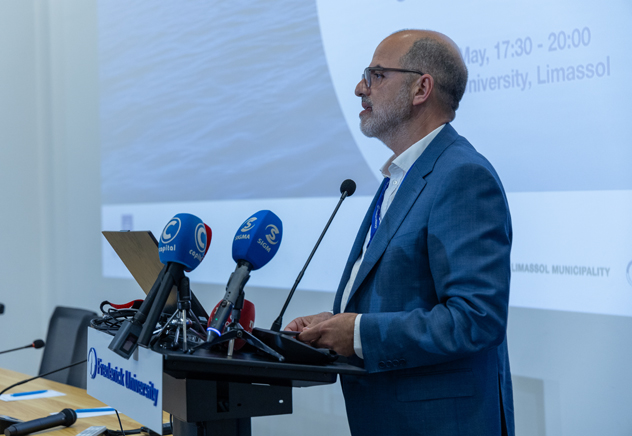
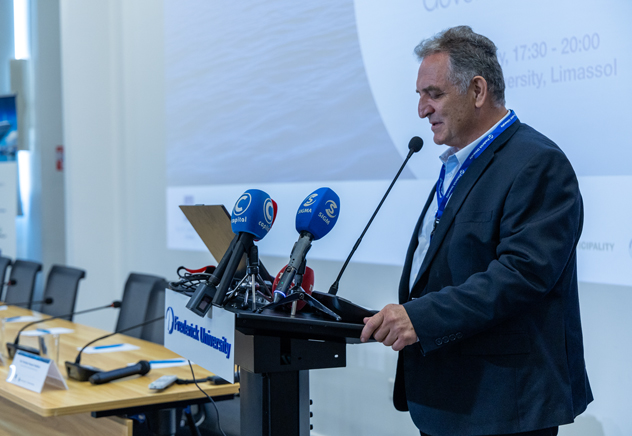
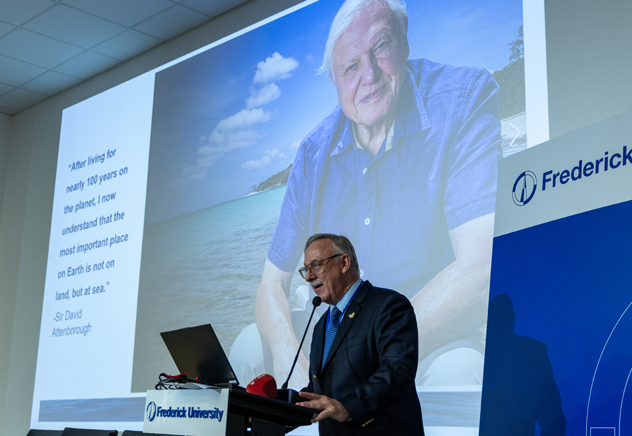
Opening remarks were delivered by Mr. Yiannis Armeftis, Mayor of Limassol, and Professor George Demosthenous, Rector of Frederick University.
“The city is more than just a coastal settlement—it is a dynamic, living ecosystem that continuously evolves,” stated the Mayor, encouraging local citizens to engage actively in shaping a more sustainable urban future.
Professor Demosthenous underlined the critical role of academic research and higher education institutions in fostering sustainable urban development. He also underscored Frederick University’s strategic focus on sustainability across all levels of education and research. Additionally, he noted the university’s active participation in the European Universities Alliance EU-CONEXUS, which is working to develop an excellence hub for the sustainable management of coastal cities, with Limassol as a prime example, leveraging advanced technological tools.
Dr. Angelos Menelaou, Head of the Department of Maritime Transport and Commerce at Frederick University, expressed his satisfaction with this year’s event: “The Blue Limassol Forum 2025 succeeded in raising public awareness of the vital interdependence between the port and the city. It also explored viable responses to contemporary challenges, with the energy transition standing out as a key priority. Now in its fifth year, the forum has nurtured an engaged, multidisciplinary community that transcends Cyprus, connecting experts and stakeholders across the international landscape. The exchange of best practices and innovative approaches for coastal urban environments offers meaningful benefits to any city striving for climate neutrality and enhanced quality of life.”
On behalf of DP World Limassol, Mr. Simon Pitout added: “We are delighted to host the 5th Blue Limassol Forum at our premises and extend our heartfelt thanks to all the organizers and supporters of this highly regarded event. Since its inception in 2020, the annual Blue Limassol Forum has created numerous opportunities for stakeholders to engage in discussions on fostering a climate-adaptive and sustainable maritime industry. Integrating Limassol's port with the city is essential for sustaining its economic and social vitality. By prioritizing sustainable urban planning, technological innovation and community engagement, Limassol can maintain a harmonious and productive relationship between its port and city, ensuring long-term prosperity and an enhanced quality of life for its residents.”
Earlier that day, a Round Table Discussion was held, chaired by Dr. Menelaou. Participants included the Mayor of Limassol, key port stakeholders, and academic experts from both local and international universities and research institutions. The discussion focused on the continuing urban and coastal development of Limassol, with particular emphasis on integrating the port with the city center and exploring onshore power supply for vessels. There was unanimous agreement on the need for a cohesive, comprehensive development strategy—one shaped by inclusive, participatory decision-making, grounded in an understanding of the economic, environmental, and social impacts, and aimed at improving the overall quality of life.
In parallel, a Research and Innovation Exhibition was held, curated by the Cyprus Foundation of the Sea (CyFoS). The exhibition showcased projects and technologies designed to support a climate-neutral, sustainable, and holistically integrated blue economy.
Frederick University extends its warmest thanks to all who contributed to both the Blue Limassol Forum and the Round Table Discussion, helping to shape a more resilient and sustainable future for Limassol. Special thanks go to: Dr. Angelos Menelaou, Prof. Radu Sorin Vacareanu, Prof. Carola Hein, Mr. Alexandros Josephides, Prof. Maria Boile, Dr. Andreas Constantinides, Prof. Dan Feldman, Dr. Vittorio Torbianelli, Mr. Prabhat Jha, Capt. Eugen Adami, Prof. Andreas Poullikkas, Prof. Athanasios Pallis, Mr. Markellos Sergiou, Mr. Simon Pitout, Mr. Alexandros Demetriades, Mr. Nikiforos Pampakas, Dr. Andri Theodorou, Prof. Thanasis Hadzilakos, Dr. Sergey Popravko, and Prof. Shaul Chorev.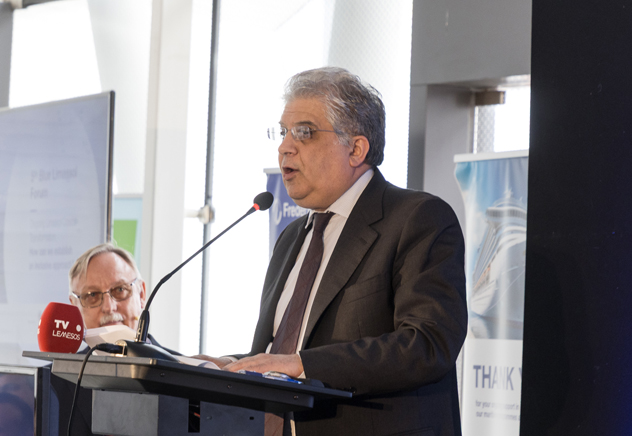
Only a holistic approach to challenges can ensure the sustainable development of Limassol. The sustainable development of Limassol and the safeguarding of its residents’ quality of life were at the centre of this year’s Blue Limassol Forum, held at Frederick University in Limassol.
Blue Limassol Forum is an annual event co-organized by Frederick University and the Municipality of Limassol fostering dialogue among government representatives, academia, industry, NGOs, and citizens on the sustainable urban and coastal development in Limassol. This year’s event brought together key stakeholders to discuss Limassol’s participation in the EU Mission Cities initiative, which aims to achieve climate neutrality and digital transition by 2030. Limassol has been awarded the EU Mission Label, joining 100 European cities committed to sustainable transformation.
The event was opened by the Deputy Minister of Shipping, Ms. Marina Hadjimanoli, and was followed by welcome addresses from the Mayor of Limassol, Mr. Nicos Nicolaides — who initiated the forum four years ago — and Ms. Natassa Frederickou, President of the Council of Frederick University.
In her address, the Deputy Minister praised the commitment of the Municipality of Limassol and Frederick University to protecting the marine environment, highlighting a study conducted by Frederick University researchers on identifying and assessing environmental risks in Limassol’s marine and coastal areas. Based on this study’s findings, particularly the fragmentation of government services responsible for environmental management, the Ministry decided to establish a special coordination committee to improve cooperation and problem-solving efficiency.
Mayor Nicos Nicolaides emphasized that strengthening the Blue Economy is a key priority for the Municipal Council. In this context, the Municipality has co-organized the Blue Limassol Forum with Frederick University and established the Innovation and Blue Economy Centre, operating for two years. Last year’s forum aligned with Limassol’s participation in the EU Cities Mission, while this year’s discussions moved a step further, focusing on practical directions and actions for coastal and marine sustainability to improve residents’ quality of life. With the EU Mission Label, the Municipality is now advancing concrete proposals and actions in energy, buildings, transport, circular economy, sea, and coastal areas, alongside a cross-cutting focus on innovation and technology.
Thanking Frederick University and its academics for their collaboration, the Mayor noted that implementing the Climate City Contract is not an easy task, but experiences from other European cities demonstrate that the goal is achievable.
In her speech, Ms. Natassa Frederickou congratulated the Mayor on the EU Mission Label and underlined that from its inception, the Blue Limassol Forum has embraced collaboration among all stakeholders active along Limassol’s coast — public bodies, the private sector, researchers, academics, students, and, most importantly, the citizens of Limassol. She highlighted that cooperation and partnerships are vital, stating: “On the road to achieving a sustainable future for Limassol, it is crucial to understand that no long-term change can be achieved without collective effort, knowledge sharing, and coordinated action.”
Academics, researchers, and experts in marine environment and coastal sustainability participated in the forum, which, in its fourth edition, has established itself as a leading interdisciplinary conference on the sustainable development of Limassol’s coastline.
The four presentations and subsequent discussion covered topics including:
• the protection of the marine environment in the wider Southeastern Mediterranean region,
• citizen engagement in addressing urban coastal sustainability challenges,
• enhancement of research activity, and
• the development of innovative solutions to help Limassol achieve climate neutrality within a short timeframe.
As a strategic partner and scientific advisor to the Municipality of Limassol, Frederick University leads the “Ports and Coastal Zone” theme — one of five thematic areas in the city’s Action Plan toward climate neutrality and smart, sustainable development.
In his presentation, Dr. Michalis Makrominas, Assistant Professor in the Department of Maritime Transport and Commerce at Frederick University, discussed the EU Mission and the University’s proposal for a holistic approach to climate challenges and socio-economic activities affecting Limassol’s marine ecosystem — aiming to balance ecosystem protection, quality of life, and sustainable urban growth.
Dr. Sergey Popravko, Lecturer in the same Department, presented the University’s proposal for the electrification of ships (cold ironing) at the Port of Limassol, aligning it with European and international environmental standards. Guest speaker Dr. Corrado Sciutto, Project and Commercial Manager at DBA Pro’s Transport Division, shared Italy’s experience in applying cold ironing, while Dr. Dimitris Kleitou, Lecturer at Frederick University, presented the IRSAI research project, which uses sensors and Artificial Intelligence to monitor marine activities in Limassol Bay.
The Forum and the ensuing discussion were moderated by Captain Eugen-Henning Adami, President of the NGO Cyprus Foundation of the Sea (CyFoS) and a member of the academic staff at Frederick University’s Department of Maritime Transport and Commerce. Participants in the discussion included Dr. Angelos Menelaou, Associate Professor and Head of the Department of Maritime Transport and Commerce, Mr. Prabhat Kumar Jha, CEO of MSC Shipmanagement Ltd Cyprus, Rear Admiral (Ret.) Prof. Shaul Chorev, Head of the Institute for Maritime Policy & Strategy at Israel’s National Center for the Blue Economy, Ms. Hila Ehrenreich, Director of the Israeli National Center for Blue Economy and Innovation, and Dr. Corrado Sciutto.
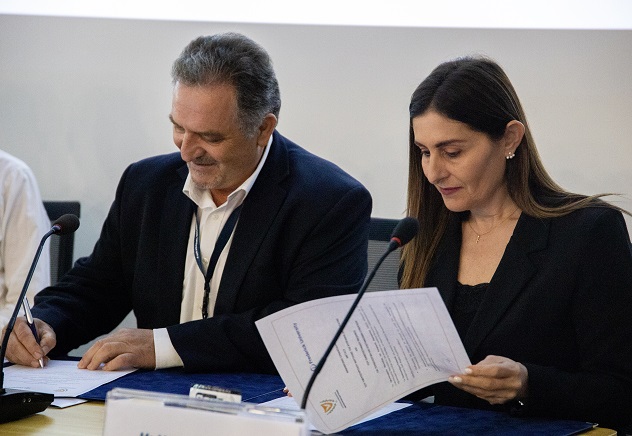
Prior to the forum, Frederick University signed a Memorandum of Understanding with the Institute for Maritime Policy and Strategy (MPS) to promote collaboration on marine environmental protection and Blue Economy initiatives in the wider Southeastern Mediterranean region.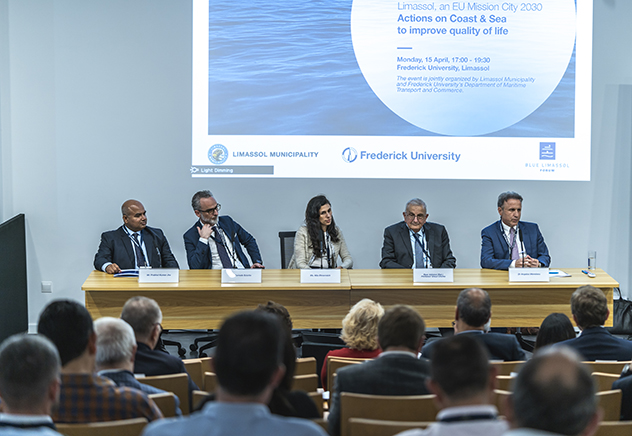
Citizens and their wellbeing should be the primary goal when we talk about design and implementation of the city's sustainability strategy. This was the main conclusion of this year's Forum.
The 3rd Blue Limassol Forum took place on May 26th at Frederick University, Limassol campus, with simultaneous online streaming. The Forum was addressed by the Deputy Minister of Shipping, Ms. Marina Hadjimanolis.
The Blue Limassol Forum is an annual event co-organized by the Limassol Municipality and Frederick University’s Department of Maritime Transport and Commerce, where experts and representatives from all sectors operating on coastal Limassol discuss issues relevant to the sustainable development of the city. This year's Forum focused on Limassol's goal to become a climate-neutral city by 2030.
It was attended by more than 200 government officials, members of environmental NGOs, academics, representatives from all sectors operating in the coastal Limassol area, and local citizens, who engaged in a vibrant dialogue, sharing their views and expertise.
During her speech, the Deputy Minister of Shipping emphasized her Ministry’s support for initiatives such as the Blue Limassol Forum, which promote the development of Blue Economy with respect to the environment and aim to improve the citizens’ wellbeing. Ms. Hadjimanolis noted that promoting quality education is essential in ensuring that businesses prosper in a constantly changing market environment. “As we move towards Sustainable Development Goals, the reliance on human capital becomes even more crucial than ever before; we need skilled professionals with environmental awareness who can lead us effectively towards achieving our objectives”, the Deputy Minister noted. She thanked Frederick University for the proven track record, since 1999, of providing knowledgeable and motivated graduates in maritime studies, ready to take on the challenges of the modern workplace.
The Mayor of Limassol, Mr. Nicos Nikolaides referred to the goal of maximizing the benefits from the development of the Blue Economy and the establishment of the newly founded Blue Innovation Center. The Center operates in direct cooperation and connection with Frederick University and the Cyprus University of Technology (CUT), the two Universities in Limassol that offer maritime programs of study, aiming for the systematic dissemination of knowledge and the expansion of the Blue Economy ecosystem. The Mayor also mentioned Limassol's success in being selected as one of the 100 cities participating in the EU Mission on Climate Neutral and Smart Cities program, with the aim of becoming a climate-neutral and smart city by 2030. He stated: "It is a great challenge and an ambitious plan for the city of Limassol.” Mr Nicolaides expressed his optimism for the prospect of new job opportunities and improving the quality of life for citizens who will be co-creators in this new vision for their city.
During the conference, a Memorandum of Understanding between the Deputy Ministry of Shipping and Frederick University was signed by the Deputy Minister and the University’s Vice-Rector for Research, Development, and International Relations, Professor Michalis Komodromos. "Collaboration is the key to achieving our goals and this is what we will pursue through the Memorandum we are signing today" said Prof. Komodromos. The Memorandum provides a platform on which people can collaborate to establish and develop technological and scientific cooperation in maritime affairs and integrated maritime policy.
The Dean of Frederick University’s School of Business and Law, Professor Eleni Hadjiconstantinou, as well as the Rector of the University of La Rochelle, Professor Jean-Marc Ogier, addressed the Forum. Professor Ogier is the President of the Governing Board of EU-CONEXUS, a European University Alliance focusing on Smart Urban Coastal Sustainability, in which Frederick University participates as a full member. Captain Eugen Henning Adami, Chairman of the Cyprus Foundation of the Sea (CyFoS) and a member of the Department of Maritime Transport and Commerce’s Faculty, chaired the Forum’s presentations and panel discussion.
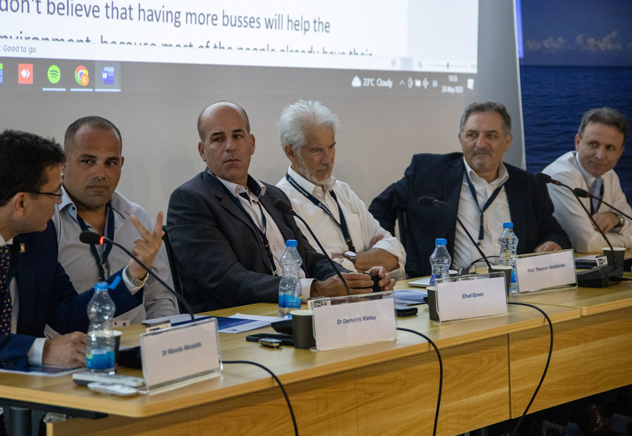
Carola M. Hein, Head of the Department of History of Architecture and Urban Planning at the Delft University of Technology, referred to the goal of the energy transition of the port of Rotterdam. Ehud Gonen, a PhD candidate at the University of Haifa, spoke about Israel's efforts to reduce its carbon footprint. Prof. Thanasis Hadzilakos, Adjunct Professor at the Cyprus Institute, discussed the prospect of a social strategy in Limassol to address the climate crisis. Dr Dimitris Kletou, a Lecturer at the Department of Maritime Transport and Commerce, talked about improving Limassol coastal surveillance, while Dr Manolis Nikolaidis, Assistant Professor at the same department, presented decarbonization practices in port cities. The discussion that followed captured the interest of the audience, as well as representatives and companies operating on the coasts of Limassol.
Dr Angelos Menelaou, Chairman of the Department of Maritime Transport and Commerce, participated in the panel and referred to the dramatically increased traffic congestion of Limassol as an outcome of the disorganized development of high-rise buildings. He added that this should concern the relevant authorities and serve as a lesson that the key to sustainable cities is the long term planning rather than the prospect of temporary revenue. Mr Prabhat Kumar Jha, Vice President of the Cyprus Shipping Chamber and CEO of the MSC Shipmanagement Ltd Cyprus, made a significant and encouraging intervention. He referred to the good practices adopted by his company when approaching the port of Limassol, such as closing and sealing the sewage overboard valve 15 nautical miles before approaching the port, a distance far beyond the required one by the relevant international regulation. This good practice ensures that it becomes impossible to release human waste even accidentally. He concluded “We feel part of the ecosystem and that we have our share of responsibility."
The 3rd Blue Limassol Forum concluded with the Municipality of Limassol and the University of Frederick renewing their appointment for the Blue Limassol Forum 2024. Captain Eugen Henning Adami, concluded that citizens and their wellbeing should be the primary goal when we undertake research and development projects. He also added that the challenge to become carbon neutral requires that all stakeholders are engaged in cross boarder collaboration.
The Blue Limassol Forum has become an annual event which attracts the interest of executives from public bodies, organizations, and companies operating in Limassol's Blue Economy sectors, as well as renowned experts and researchers in the sustainability of maritime and coastal zones from Cyprus and abroad. The Forum aims to raise awareness by involving all stakeholders, including the citizens of Limassol, regarding the maritime and environmental challenges faced by coastal cities like Limassol. In this context, a questionnaire is conducted among citizens, and the results will be used to develop the strategy of Limassol as one of the 100 cities in the European Union selected to participate in the EU Mission on Climate Neutral and Smart Cities.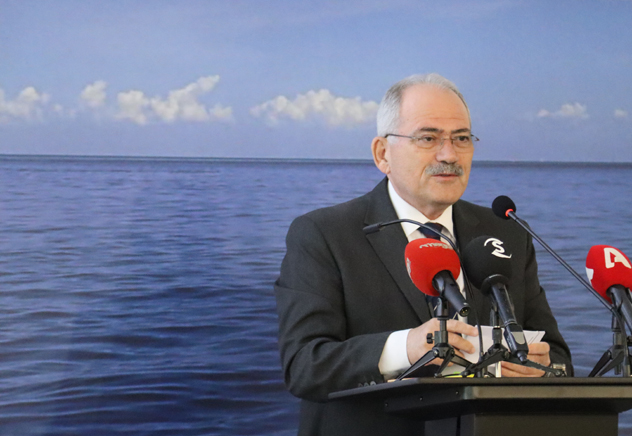
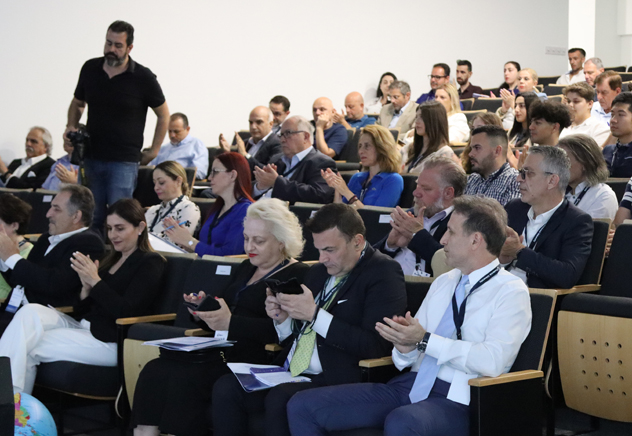
A research study presented during the 2nd Blue Limassol Forum on March 30th highlights the need to effectively monitor the growing risks to the coastal, marine and maritime environment of Limassol. The study, which was conducted by Frederick University on behalf of Limassol Municipality, is the first environmental risk assessment study to examine holistically and simultaneously all the developmental and operational activities in the coastal Limassol area that may pose risks to the city’s environment. It identifies and assesses potential threats and provides recommendations regarding best practices for the protection of the sea and coastal environment. The study calls on all stakeholders involved to work together and take joint action to address the challenges ahead, with the ultimate goal of ensuring the sustainability and quality of life in the city of Limassol.
This year’s Blue Limassol Forum took place both physically at Crowne Plaza hotel in LImassol and online in the presence of more than 400 delegates.
Addressing the Forum, Shipping Deputy Minister Mr Vassilios Demetriades underlined the sector’s importance for Limassol and Cyprus, the government actions and initiatives in promoting a holistic approach towards maximizing the growth potential of our seas in an environmentally sustainable way. Mr. Demetriades congratulated Frederick University and the Steering Committee for the Blue Limassol Environmental Risk Assessment Study which provides useful recommendations in the formulation of national policies and actions. Towards this direction, Mr. Demetriades referred to the national integrated maritime policy of Cyprus and announced that the 60-days public consultation for the formulation of the Maritime Spatial Plan of Cyprus will commence on 31 March followed by a series of local meetings with all interested parties and the civil society, covering all coastal regions of Cyprus, starting from Limassol on 11 April.
Welcoming the participants to the Forum, the Mayor of Limassol, Mr Nicos Nicolaides, said that one of the main goals of the Municipal Council is enhancing the potential of blue economy in Limassol and referred to a series of initiatives taken by the Municipality in this framework. These initiatives include the introduction of Blue Limassol Forum, the decision to carry out the first holistic Risk Assessment Study for Limassol coastal area, and the operation of the Blue Innovation Centre which focuses on topics related to blue economy and shipping. The Mayor expressed his appreciation to Frederick University for the cooperation and support in the efforts of Limassol Municipality to promote blue economy and ensure Limassol’s leading role in the development, technology and economic activity of Cyprus.
The Vice President of Frederick University Council, Dr Christoforos Charalambous, also addressed the Forum: " These challenges are immense and they cannot be addressed without adopting a holistic and multidisciplinary approach” commented Dr Charalambous, who also praised the University’s Department of Maritime Transport and Commerce for the coordination of the Risk Assessment Study. “It is the first department of its kind in Cyprus and has been a dominant educational force in the field for several decades, importantly maintaining also strong links with the Sector thus balancing theory and practice.” he said. He also congratulated Limassol Municipality for establishing Blue Limassol Forum.
The risk assessment study was presented by the Project Manager, Dr Angelos Menelaou, Head of the Department of Maritime Transport and Commerce of Frederick University, and Dr Michael Makrominas, Assistant Professor at the Department. The study focuses on all main sectors operating in the coastal Limassol area: Energy, Oil & Gas, Commercial Shipping, Marinas & Yachts, Construction, Sewage & Litter and Aquaculture & Fisheries. The findings indicate that, while the environmental pressures and risks in each sector are not assessed as particularly significant, in their entirety -and given the factor of continuous and rapid growth and rapid population accumulation- they will be factors of environmental degradation. According to the study findings, the fragmentation of responsibilities and services in monitoring all sectors of the economy and lack of data integration both constitute a weakness to the system. It is therefore suggested that all sectors of the economy along the Limassol coast should operate under a guiding strategy of data integration, improved reporting and better use of technology, towards a holistic approach of sustainable development and environmental protection. “The research took under consideration the opinion of more than 500 citizens who participated in an initial opinion survey. It turned out that the citizens’ environmental concerns were fully justified”, said Dr Angelos Menelaou.
Presentations by this year’s guest speakers showcased the need for coordination and long-term planning for the transition to sustainability. Specifically, Professor Carola Hein, Head of the History of Architecture and Urban Planning at Delft University of Technology (Netherlands), spoke about the energy transition in the case of the Rotterdam Harbor and explained that the lack of a long-term plan was an obstacle to its implementation. An equally important topic was addressed by Professor Rachelle Alterman, Head of the Lab on Comparative Planning Law and Land Policy and Senior Research Fellow at Neaman Institute for National Policy Research of Technion – Israel Institute of Technology. Prof. Alterman spoke of the need to bridge the legal-institutional gap in Mediterranean coastline management, explaining how a complex legal framework is neither effective nor helpful towards the goal of sustainability.
The Forum’s coordinator, Captain Eugen Adami, President of CYFOS and a Faculty member of the University’s Department of Maritime Transport and Commerce, highlighted the need for a comprehensive strategic plan to achieve a realistic transition towards sustainability. “All stakeholders should be consulted in this planning: the scientific and academic community, government agencies and the civil society, who should also be involved in the decision-making process”, said Captain Adami. In his final remarks, the Project Manager Dr Menelaou underlined the importance of adhering to the framework of a pre-agreed strategic planning. “Individual and short-term benefits cannot derail this planning towards sustainability", commented Dr Menelaou.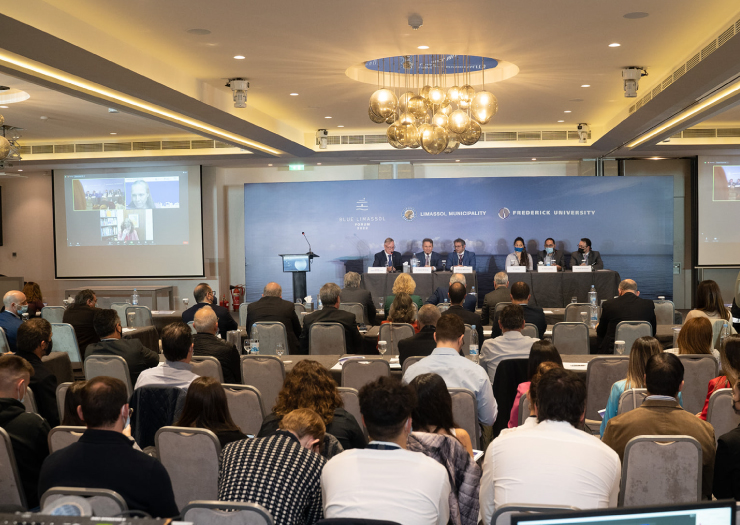
Limassol Municipality and the Department of Maritime Transport and Commerce of Frederick University jointly organized the Blue Limassol Forum 2020 webinar, titled "Sustainable Coastal, Marine & Maritime Environment," which took place online on Friday, 29 May 2020. The event was held under the auspices of the President of the Republic of Cyprus, Mr Nicos Anastasiades.
Blue Limassol Forum was established in 2020 by the Mayor of Limassol, Mr Nicos Nicolaides, as an annual event aiming to highlight key issues and initiatives related to the Blue Economy. The Forum capitalized on Limassol's unique characteristics as a leading commercial and shipping centre and a major coastal port city in the Eastern Mediterranean, while promoting maritime and environmental awareness among local citizens.
The inaugural Forum focused on "Sustainable Coastal, Marine & Maritime Environment." Invited speakers and participants discussed existing initiatives and shared examples of good practice to encourage further dialogue and collaborative action, demonstrating environmental leadership and promoting wellbeing in Limassol as a Blue City.
The webinar was free and open to the public and was conducted in English. Participants registered in advance and had the opportunity to submit questions during the panel discussion.
The event featured keynote speakers and panellists including Ms Klelia Vasiliou, Environment Commissioner; Mr Prabhat Jha, Group Managing Director, MSC Shipmanagement Limited; Mr Andreas Alvanis, Business Development Executive, Fameline Holding Group; Mr Alexander Alexandrov, Deputy Director-General, Bulgarian Ports Infrastructure Company (BPI Co.); Ms Gina Cohen, Independent Gas Consultant, author and lecturer at Technion University, Tel Aviv; Dr Demetris Kletou, Lecturer at the Department of Maritime Transport and Commerce, Frederick University; Dr Angelos Menelaou, Head of the Department of Maritime Transport and Commerce, Frederick University, and Project Manager at Marlow Navigation Co. Ltd; Mr Ioannis Efstratiou, Head of the Marine Environment Unit at the Shipping Deputy Ministry; and Mr Panayiotis Agathocleous, Limassol Port Manager at the Cyprus Ports Authority.
Welcome addresses were delivered by Mr Nicos Nicolaides, Mayor of Limassol; Ms Natasa Pilides, Deputy Minister of Shipping of the Republic of Cyprus; and Dr Christoforos Charalambous, Vice-President of the Frederick University Council.
