
 Search



Collaboration with NGOs in Research and Development of Educational Resources


Research is most meaningful when it responds to real needs and contributes to addressing challenges faced by society. For universities, working with non-governmental organisations (NGOs) provides an important opportunity to connect academic research with the experience of people and organisations working directly with communities, the environment and different professional sectors. These collaborations bring different perspectives into research, help identify issues that might otherwise be overlooked and make it easier to translate research findings into practical outcomes.
Frederick University's collaboration with NGOs in European research projects reflects this approach.
One example is LIFE-IP PHYSIS, which focuses on the protection and management of Cyprus's Natura 2000 network. In this project, cooperation with environmental organisations, including Terra Cypria, BirdLife Cyprus and the Federation of Environmental Organisations of Cyprus, is particularly important. These organisations bring valuable knowledge of local ecosystems and conservation needs, complementing the scientific expertise of the University's researchers. Their involvement helps connect research with environmental practice, particularly in areas such as biodiversity monitoring, habitat protection, data collection and public awareness. It also allows research findings to be shared with organisations that can use them in their work on environmental protection.
A similar approach can be seen in ACT4SDGs (Professionalisation of Academic Teaching to Infuse SDGs in Latin American Universities), which focuses on integrating the Sustainable Development Goals into higher education. Through its collaboration with the Regional Centre of Expertise on Education for Sustainable Development in Crete (RCE Crete), Frederick University works with organisations beyond the academic sector to promote sustainability education and exchange knowledge. The involvement of such organisations helps bring a wider perspective to discussions about sustainable development and supports the development of educational approaches that are relevant to the needs of society. The project also demonstrates how research, education and cooperation with civil society can work together to encourage a stronger understanding of the SDGs.
In the field of sport and health, SPIEP (The Sport Science Physical Activity Innovation and Entrepreneurship Partnership) creates opportunities to connect academic research with organisations working in physical activity, health promotion and social inclusion. Its partnership brings together universities and organisations such as Fit4Cure, ALDO-CET and Junior Achievement Cyprus. Their different areas of expertise provide a useful basis for exchanging knowledge and exploring how sport and physical activity can respond to community needs. Cooperation with organisations working directly with people and communities is especially relevant when considering participation in physical activity, accessibility and the inclusion of groups that may face barriers to sport. It also helps ensure that the knowledge developed through research and education can be applied in practice.
The same principle extends to agriculture through ASC4INN (Alliance for Fostering Innovation in Education and Enterprises). The project focuses on the digital transformation of agricultural supply chains and the skills needed to support this process. While its partnership is primarily built around universities, vocational education providers, businesses and labour-market representatives, it also addresses issues that are closely connected to the work of civil society organisations, particularly sustainable agriculture, rural development, food safety and environmental responsibility. Engaging with NGOs and organisations representing farmers and local communities, such as Farmtech Society (FTS), can help researchers better understand the challenges faced by those working in the agricultural sector and ensure that digital solutions take account of their needs.
Development of educational resources and knowledge-sharing materials
An additional area in which these partnerships contribute is the development of educational resources and knowledge-sharing materials. Through these projects, Frederick University participates in the development of teaching materials, digital tools, educational modules, training programmes and practical learning resources. These outputs benefit from the involvement of different stakeholders, including organisations with experience in sustainability, sport, health and professional development. Their contribution helps ensure that the resources developed are informed by practical experience and respond to the needs of different target groups. In this way, collaboration extends beyond research activities to include the production and dissemination of knowledge that can be used by universities, professionals and wider communities.
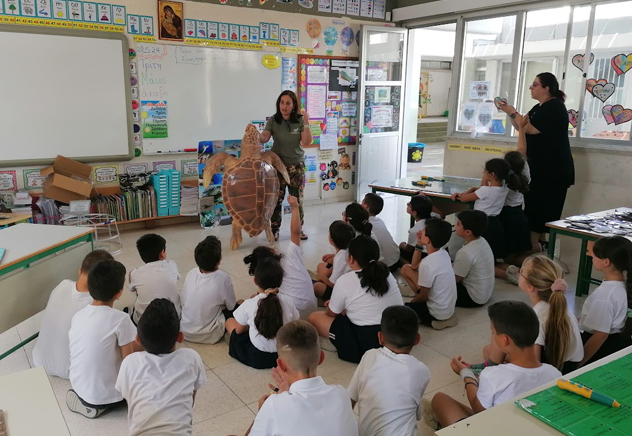
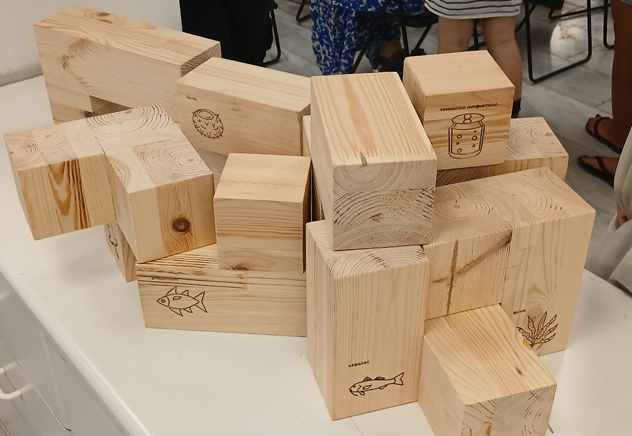
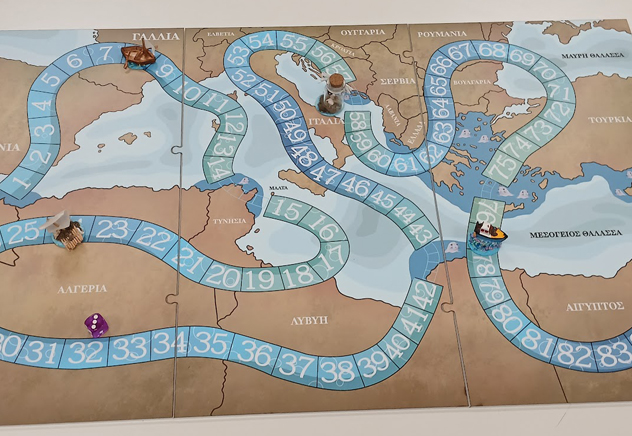
For example, the partners in LIFE-IP PHYSIS project developed five educational board games focusing on the Mediterranean monk seal. Designed for primary and secondary school students, the games introduce children to the species, its habitat, the threats it faces and the importance of protecting the marine environment. The educational material is being used in school visits and awareness-raising activities across Cyprus.
Another example is ASC4INN which aims to produce new curricula for higher education and vocational education, training materials and toolkits, blended and game-based learning activities, virtual and augmented reality learning experiences and micro-credentials and micro-learning pathways, whereas SPIEP develops three educational modules, which will be accompanied by a handbook and additional learning resources, supporting sport science students in developing skills to promote physical activity, particularly among vulnerable groups.
 View all articles
