Search




40 years of history in the fields of Visual Arts and Communication
The Arts and Communication Department adopts a dynamic, multicultural approach that values diversity and emphasizes the global nature of communication. As a vibrant and forward-thinking hub, it fosters contemporary design practices, creative entrepreneurship, communication, and research. Through the use of innovative methodologies and cutting-edge production techniques, the Department cultivates critical thinking, ideation, analysis, and the production processes central to the fields of Art, Design, and Communication.
The Department actively involves students in a wide range of professional projects, events, and research, all closely connected to both industry and society. With strong partnerships across key sectors, the Department has successfully executed numerous projects, exhibitions, and events.
Continuously evolving and embracing new ideas, the Arts and Communication Department aims to empower its graduates to become trailblazing professionals who can envision the future and shape the fields of Visual Arts and Communication.

> 150 awards
and distinctions in international and local competitions

Leading position
of graduates of the Journalism and Media Communication program in the job market

Strong links
with the industry and high employability rate of graduates

Participation
of the department’s academics in more than 600 solo and group exhibitions
BA in Visual Communication
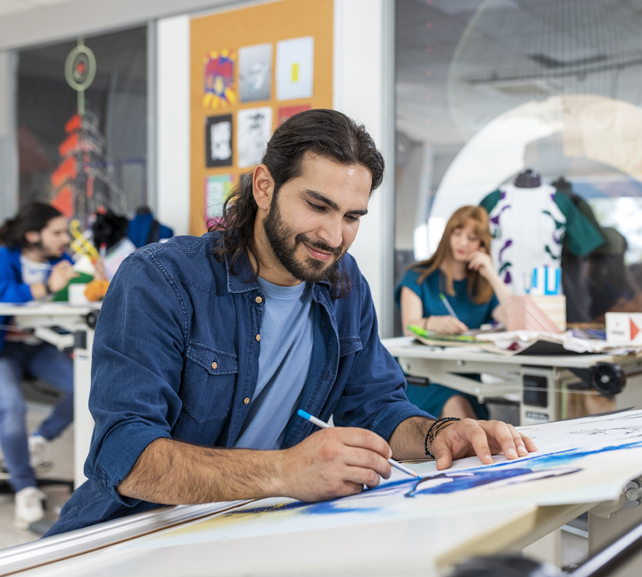
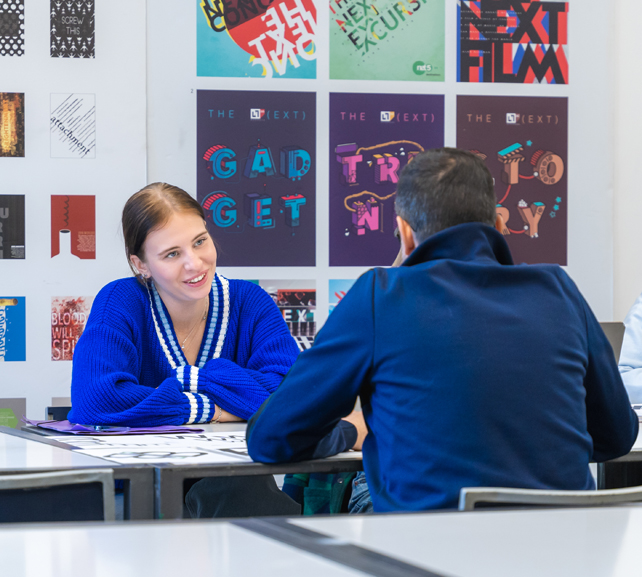
The Visual Communication Program offers an innovative and comprehensive approach that reflects current debates, developments in design and film practices, and advancements in digital technologies. The program offers two specializations: a) Graphic Design and Digital Media, and b) Film Making and Digital Media. In response to the ever-changing landscape of the field, the program provides a thorough and adaptable understanding of Visual Communication, equipping students with a keen awareness of both current trends and emerging developments in Graphic Design, Film, and Digital Media.
BA in Interior Design
The Interior Design program of study is oriented towards Architecture while also incorporating a broad Fine Art context, ensuring a well-rounded balance between Architecture, Interior Design, and Art. It further focuses on the design of objects and spaces tailored to their physical and social contexts. It intersects with other related fields, such as the ergonomic and hands-on aspects of furniture and product design, the atmospheric nature of theatre design, the strategic, client-centered perspectives of trend forecasters, graphic designers, and management consultants, as well as the conceptual depth found in contemporary performance.
BA in Fashion and Image Design
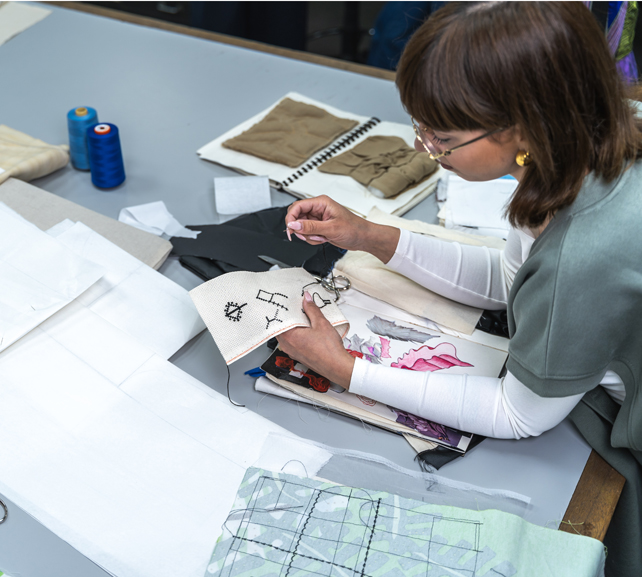
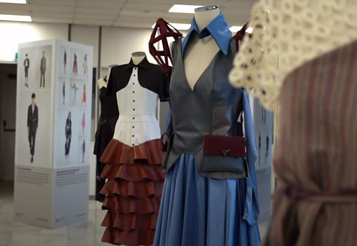
The BA in Fashion and Image Design is tailored for students aspiring to careers in fashion design and related fields. The program views fashion design as a creative process that requires a refined aesthetic sense, specialized skills, and effective expression. It incorporates commercial and marketing expertise with a professional approach, emphasizing the importance of global communication as the fashion industry expands internationally.
BA in Journalism and Media Communication
The BA in Journalism and Media Communication aims to provide high-quality academic education while promoting research in the fields of journalism, cultural and social history, and the social sciences.
Structured to guide students through an evolving process, the program introduces and fosters specialization in Journalism and Media Communication, focusing on the social and cultural dynamics of the media. Rooted in a liberal arts framework, it equips students with skills in interpretation, organization, and communication - both in journalistic practice and social science research. Emphasis is given on scientific methodology and analyzing social realities within the media professions.
MA in Visual Arts
The MA in Visual Arts encourages students to push the boundaries of art and design by creatively experimenting across disciplines. It explores and applies interdisciplinary methodologies to foster new art and design discourses. The program values critical theory alongside a deep understanding of materials and the practice of making. It also offers strong connections with creative industries, providing opportunities for collaboration on local and international projects. The program emphasizes advancing critical discourse in a provocative manner, while developing a personal visual language that is both innovative and aligned with contemporary trends.
PhD in Art and Design Practices
The PhD in Art and Design Practices is a research-oriented program (practice-based research along with theoretical research) aiming to create new and innovative knowledge via scientific and artistic methods in the fields of Art and Design. This doctoral program provides a framework for conducting state-of-the-art research in the diverse domains of art and design, leading to the creation and dissemination of new knowledge through artistic research and practice.